

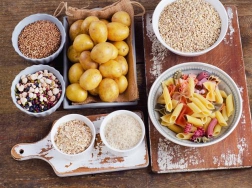
Whole Grains and Dietary Fibers: End Your Confusion
 We’re being urged via health messages and big marketing campaigns to eat more dietary fiber and simultaneously to chow down on more whole grains. Beyond the messages to achieve these goals ringing in our ears, a plethora of new foods greet us in the supermarket aisles. They tout, for example “5 grams of whole grains per serving,” “47% of dietary fiber per serving” or proudly focus your attention on the Whole Grains Stamp.
Carbohydrate, Protein and Fat: Is the Question Quantity or Quality?
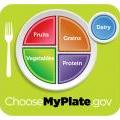 On June 2, 2011 the food pyramid was put to rest and the simple, straightforward plate was introduced as the new icon for healthy eating. While I'm pleased with this new colorful, simplified food icon, I by no means think it will put a halt to nutrition debates, including these two questions:
- What percent of calories from carbohydrate, protein and/or fat should we eat?
- Is it healthier or better for managing blood glucose or fat levels to eat more or less: carbohydrate, protein or fat?
These questions, in my humble opinion, have and continue to receive too many research dollars and too much media (and thus, consumer) attention.
Please hear me out...
We seem fixated on the quantity questions regarding our, so-called macronutrients – our main sources of calories (that’s carbohydrate, protein and fat). Yet the research to date as well as the recommendations from respected bodies, such as Institute of Medicine and the Dietary Guidelines for Americans Advisory Committee Report, proves out a few stark realities. I’ll delve into these here and detail why our focus should be squarely on the quality of carbohydrate, protein and fat we eat, not the quantity.
Complete Guide to Carb Counting


- baffled by which foods contain carbohydrate and how much?
- confused about how much carbohydrate YOU need to eat each day?
- overwhelmed in the supermarket aisles reading food and nutrition labels?
- inept at where to find carb counts for your favorite foods?
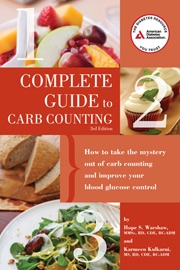
The Complete Guide to Carb Counting, is the American Diabetes Association’s A-Z guide to carbohydrate counting. Carb Counting has quickly become the most popular method of meal planning for diabetes. That’s because research shows it meshes well with real life and the medications available today to manage diabetes. The book begins with answers to two key questions: what is carbohydrate and why should you carb count? Next you'll build your knowledge base about how to count carbs, how much carb to eat, how to use food labels, count carbs in restaurant foods, and much more. This book is right for you if you have type 2 diabetes and use carbohydrate counting to plan choose your foods and plan your meals. The book also has all the details you need if you use carbohydrate counting to determine your meal time insulin doses. Lastly you’ll decipher how to fine-tune your blood glucose levels by observing your blood glucose patterns (aka pattern management).
Reviews
Table of Contents
- What Is Carb Counting?
- Basic Carb Counting
- Keeping Track
- Protein, Fat and Alcohol Count, Too
- Weigh and Measure Foods—A Key to Your Success
- The Food Label Has the Facts
- Carb Counting in Real Life
How to Count Convenience Foods and Recipes - Carb Counting in Real Life
How to Count Restaurant Meals and Take Out Foods - Blood Glucose Pattern Management: Fine-Tune Your Control
- Blood Glucose-Lowering Medications and Insulin
- Advanced Carb Counting
- Cornerstones—Knowledge and Support
- Appendixes
- Carb Counts of Everyday Foods
- Carb Counting Resources
- Record Keeping Forms
Carbohydrate: How Much (or Not) to Munch? Dualing Dialog with Tenderich's diabetesmine.com
Warshaw dialogs with diabetesmine.com blogger Tenderich on her blog about research and recommendations about carbohydrate intake for type 1. Check it out, then read my rebuttal below. Thanks Amy for being open to dialog!
Diabetes Meal Planning Made Easy
- confused about whether you need to limit the amount of carbohydrate you eat?
- baffled by what’s more important: controlling glucose, blood pressure or heart health?
- frustrated trying to lose weightl, keep pounds off and manage diabetes?
- overwhelmed by food labels, nutrition facts and ingredients lists?
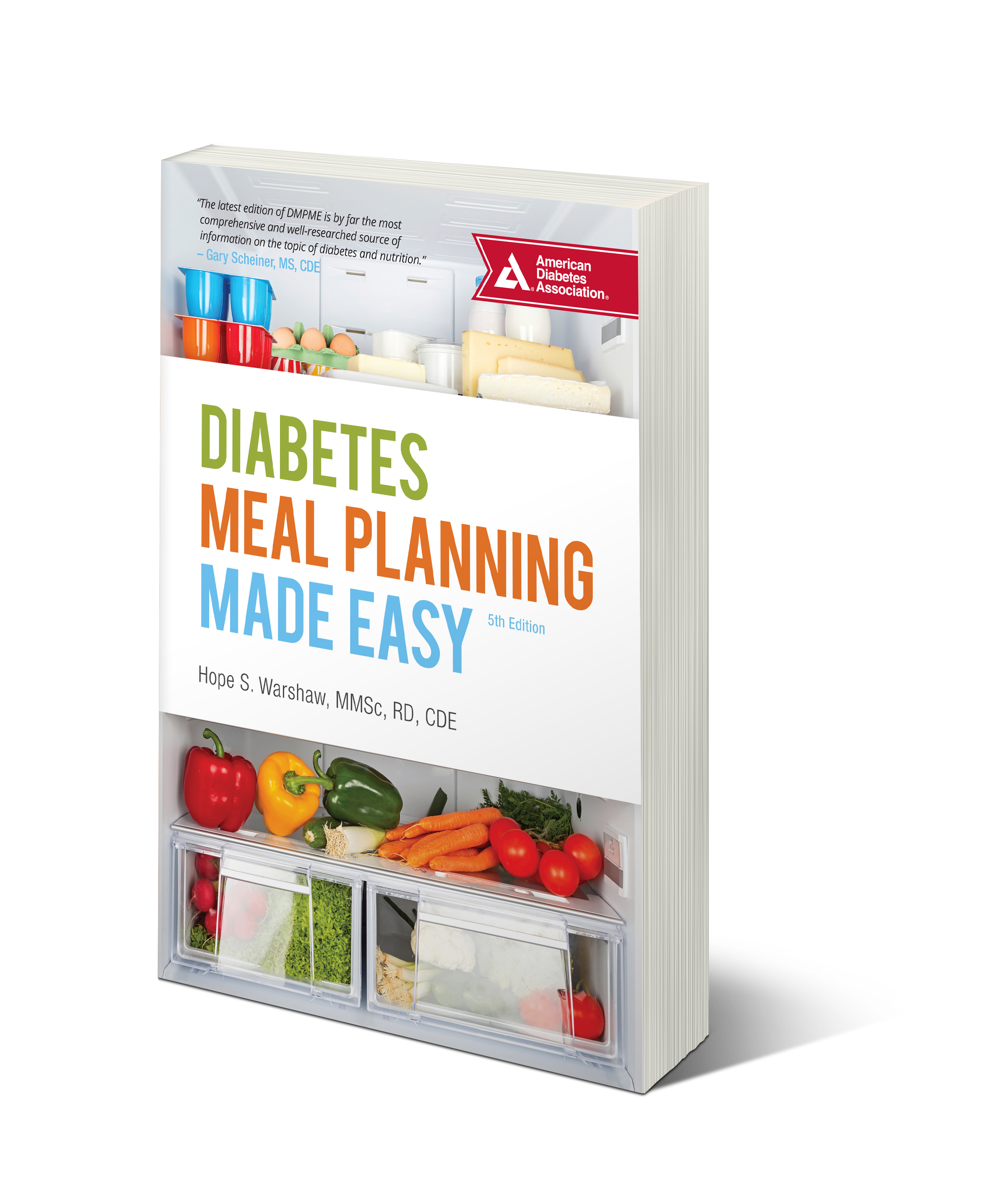
Diabetes Meal Planning Made Easy, now in its 5th edition, is thorough, yet practical and realistic in its approach. This perennial best-seller, published by the American Diabetes Association, has become the go-to resource on why, what and how much to eat for people with prediabetes or type 2 diabetes. Readers find cut-to-the-chase advice in three easy-to-digest sections. Section one is: Nutrition and Health Eating Basics. Section two is: Foods by Group, in-depth detail about each food group including alcoholic and non-alcoholic beverages, sweets and desserts and convenience foods. Section three is: Putting Healthy Eating for Diabetes Control into Action, covering how to preplan, supermarket shop, read food and nutrition labels, eat healthier restaurant meals and much more. This action oriented book helps readers slowly but surely change their food choices and eating behaviors for good.
Reviews
Table of Contents
Dedication
Introduction to 5th Edition
Section 1: Diabetes, Nutrition, and Healthy Eating Basics
- Chapter 1: About Type 2 Diabetes and Prediabetes and Why They Happen
- Chapter 2: How to Eat Healthy with Diabetes
- Chapter 3: About Calories, Carbohydrate, Protein, and Fat
- Chapter 4: Sodium, Potassium, and Blood Pressure Control
- Chapter 5: Vitamins, Minerals, and Dietary Supplements
- Chapter 6: Personalize Your Healthy Eating Plan
- Chapter 7: Secrets of Losing Weight and Keeping Pounds Off for Good
Section 2: Foods by Group
- Chapter 8: Starches
- Chapter 9: Vegetables (Non Starchy)
- Chapter 10: Fruits
- Chapter 11: Milks and Yogurts
- Chapter 12: Protein Foods
- Chapter 13: Fats and Oils
- Chapter 14: Sweets, Desserts, and Other Sugary Foods
- Chapter 15: Beverages: Nonalcoholic
- Chapter 16: Beverages: Alcoholic
- Chapter 17: Combination, Convenience, and Free Foods
Section 3: Putting Healthy Eating for Diabetes Control into Action
- Chapter 18: Change Your Food Choices and Eating Behaviors Slowly
- Chapter 19: Planning: A BIG Key to Healthy Eating
- Chapter 20: Control Your Portions
- Chapter 21: Lean on the Food Label and Nutrition Facts
- Chapter 22: Skills and Strategies for Healthy Restaurant Eating
- Chapter 23: Get the Support You Need Up Close or Virtual
Index
The Diabetes Food and Nutrition Bible
- frightened by the diagnosis of diabetes and wonder what you can eat?
- puzzled about how to make your favorite recipes diabetes-friendly?
- flustered about how to lower carbohydrate, increase fiber and decrease sodium?
- unclear if you need to steer clear of sugary foods and sweets?
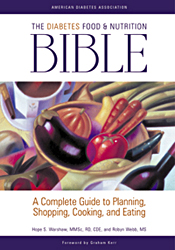
The Diabetes Food and Nutrition Bible, published by the American Diabetes Association is a two-in-one super resource for people with diabetes. It’s an “educational cookbook” co-authored by Hope and culinary guru and best-selling diabetes cookbook author Robyn Webb.
The Diabetes Food and Nutrition Bible is filled with over 100 recipes featuring 20 Nutrition Superstars - foods chock-full of nutrition. You’ll also find tips and hints about how to buy, store and cook myriad foods. Integrated into the pages is a comprehensive nutrition guide to help you learn what and how to eat to manage your diabetes. The pages are filled with plenty of easy and practical ways to improve your eating habits and food choices. And that’s not all. You’ll get two complete weeks of diabetes menu plans for various calorie levels which show you exactly how to fit in the book’s recipes and healthy eating ideas.
Reviews
Table of Contents
- Nutrient: The Big Three
- Vitamins and Minerals
- Meal Planning Approaches
- Grains, Beans, and Starchy Vegetables
- Vegetables
- Fruits
- Milk and Yogurt
- Meat and Meat Substitutes
- Fats and Lower-fat Recipes
- Sugar, Sweets and Sweeteners
- Two Weeks of Menus
- The Food Label
- Setting Goals
Practical Carbohydrate Counting: A How-to-Teach Guide for Health [For Practitioners]
![Cover of Practical Carbohydrate Counting: A How-to-Teach Guide for Health [For Practitioners]](https://www.hopewarshaw.com/sites/default/files/images/books/Practical-Carb-Counting_lg.jpg "Practical Carbohydrate Counting: A How-to-Teach Guide for Health [For Practitioners]")
Practical Carbohydrate Counting: A How-to-Teach Guide for Health, written with co-author and diabetes nutrition expert Karen Bolderman, RD, LDN, CDE; this book is designed for health care providers who teach people with diabetes about carbohydrate counting. It provides a comprehensive understanding of the ins and outs of basic and advanced carbohydrate counting – today’s most popular diabetes meal planning approach. This resource also provides concise and practical information for teaching including: skills and readiness checklists for both basic and advanced carbohydrate counting, methods for calculating and fine-tuning carb-to-insulin ratios and correction factors for advanced carbohydrate counting. The book is filled with tips, tools and resources for teaching including recording forms and resources to access the carbohydrate counts of foods. Case studies bring the process of teaching carbohydrate counting to life.
Need Continuing Professional Education credits? Earn 16 credits by purchasing the self-study guide C194 Practical Carbohydrate Counting: A How to-Teach Guide for Health Professionals developed by the Warshaw and Bolderman for Wolf Rinke Associates, Inc.
Reviews
Table of Contents
- Introduction
- Why, What, Who and How Much?
- Section 1: Basic Carbohydrate Counting
- Assessing Knowledge and Skills
- Concepts to Teach – From Basic Nutrition to Meal Planning
- Concepts to Teach – Counting Carbs, Reading Food Labels and Measuring Portions
- Basic Carbohydrate Counting Case Studies
- Section 2: Advanced Carbohydrate Counting
- Concepts to Teach – Advanced Carbohydrate Counting
- Advanced Carbohydrate Counting and Continuous Subcutaneous Insulin Infusion
- Pattern Management of Glycemic Control
- Advanced Carbohydrate Counting Case Studies
- Section 3: Related Topics
- Impact on Glycemia of Dietary Components Beyond Carbohydrate
- Impact on Glycemia of Non-Dietary Related Factors
- Blood Glucose-Lowering and Related Medications
- Process to Develop and Maintain Personal Carbohydrate Counts
- Appendix I – Resources for Carbohydrate Counting and Counts
- Appendix II – Blood Glucose Lowering Medications
- Appendix III – Sample Record Keeping Charts
Eat Even More Fabulous Fiber
Key learnings from my recent attendance at the American Diabetes Association meeting are sinking in. One clear take away on the nutrition front is the push to eat more fiber for all its health benefits including disease prevention, increased satiety, help with weight control and more.
Year 1, Week 2 – Sharing in Community Supported Agriculture (CSA)
Fresh, crisp and dirt-laden salad greens, crunchy baby bok choy, red radishes with the greens still attached and garden green snow peas…a sampling of items in my bag of goodies delivered by a local Virginia farmer. We’ve begun to enjoy the harvest from a share in community supported agriculture. Our local farmer sends an alert with the items to expect along with recipes and preparation pointers. Each week will be a surprise and will teach us the growing seasons for varied produce. Best yet, we'll relish the tastes of just picked.